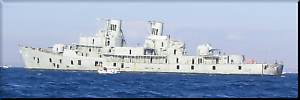
HMAS Brisbane Dive


Regions divingWhether you are a seasoned diver or trying on a wetsuit for the first time, the Sunshine Coast offers some of the best diving experiences in Queensland . One major drawcard of diving the Sunshine Coast is that it offers variety, ranging from the newly created shipwreck of the ex-HMAS Brisbane to the shallow waters of Mudjimba (Old Woman) Island to the more adventurous dive of Pinnacles, there are plenty of dive sites to explore. |
 |

With water temperatures that range from 18 degrees C to 27 degrees C and beautiful sunny weather most days of the year, the Sunshine Coast offers divers a safe and spectacular environment to explore while holidaying and enjoying the stylish and relaxed atmosphere.
Marine life is in abundance with the perfect sub-tropical waters being a haven for soft and hard corals to flourish. A variety of tropical fish, pelagic fish, giant Queensland gropers, marine reptiles (including green turtles, loggerhead turtles and hawksbill turtles), rays and sharks are regularly encountered at many dive sites.
Here is the pick of some of the best dive sites on the coast:
Ex-HMAS Brisbane
This site is so special it has a link all on its own click here
Mudjimba (Old Woman) Island
A popular shallow-water dive site and close to shore, Mudjimba Island offers safe, easy and interesting diving. The island is only a few minutes boat ride from our dive centre, and offers a variety of marine life including lots of soft corals, sea sponges, sea anemones, Nudibranchs and a variety of tropical fish. This site is also great for snorkelling.
Castle Rock
Just a 15 minute run from the Mooloolaba Harbour out near the "Blinkers", Castle Rock drops to 21 metres on the sand. Featuring a large rock overhang covered in stunning orange flower-like coral. Coming up to 14 metres you’ll see shoals of surgeon fish, batfish, trevally, and fusiliers, as well as crayfish, nudibranchs, and an occasional turtle. Lots of interesting ledges and terrain to explore.
Plateau
This flat shelf drops off to approximately 14 metres. The Plateau is covered in colourful nudibranchs and other marine life, but it is also habitat to a resident moray eel who enjoys being hand fed. The flat sandy bottom around the shelf makes this dive site extremely easy to navigate.
The Caves
A 10-12 metre dive incorporating interesting ledges, gutters and swim throughs. Here you will find an abundance of marine life, hard and soft corals and an occasional wobbegong. Shoals of pelagic fish visit this area and during October through May along with harmless, toothless and docile leopard sharks.
Hanging Rock
A 10 to 18 metre ledge that runs east to west and is home to an amazing array of marine life. See wobbegongs, squirrel fish and barracuda in their natural habitat.
Overhangs and swim throughs are a prominent feature amongst the large array of hard and soft corals. This site is our most colourful which makes for an excellent night dive.
Pinnacles
The amazing sight of three upright pinnacles, the highest rising 10 metres from sea bed, make this a great dive site. The tops of the pinnacles are submerged in up to 16 metres of water! Bat fish, trevalley, butterfly fish, barracuda and plenty of wobbegong sharks make this area home.
Water Temperatures
Minimum 18 degrees Celsius in winter
Maximum 27 degrees Celsius in summer
Visibility
15-25 metres in winter
10-15 metres in summer